-1.png "Starter - Blogger Template")
Masking Fluid Watercolor Painting
Masking Fluid Watercolor Painting - It’s a way of hiding yourself (or parts of yourself) that you don’t want to present to the world. Masking, sometimes referred to as “camouflaging,” occurs when someone attempts to hide their mental health symptoms in an effort to blend in with people around. Emotional masking specifically refers to hiding or holding. More people than ever are asking, “what is masking?” learn why it happens, signs that you may be doing it, and how to safely approach unmasking. In psychology and sociology, masking, also known as social camouflaging, is a defensive behavior in which an individual conceals their natural personality or behavior in response to social pressure,. While this strategy can help them get by at school, work and in social situations, it can have.
Masking is a way of representing yourself to be more like how others expect you to be. Whether consciously or unconsciously, masking refers to adjusting your behavior, emotions, personality, or communication style to better align with social expectations or avoid judgment. Masking (sometimes referred to as camouflaging) involves suppressing or hiding one's behaviors or traits to appear a certain way. Masking, also called camouflaging or compensating, is when individuals repress or hide signs of a mental health condition to blend in or adapt to the neurotypical world. It’s a way of hiding yourself (or parts of yourself) that you don’t want to present to the world.
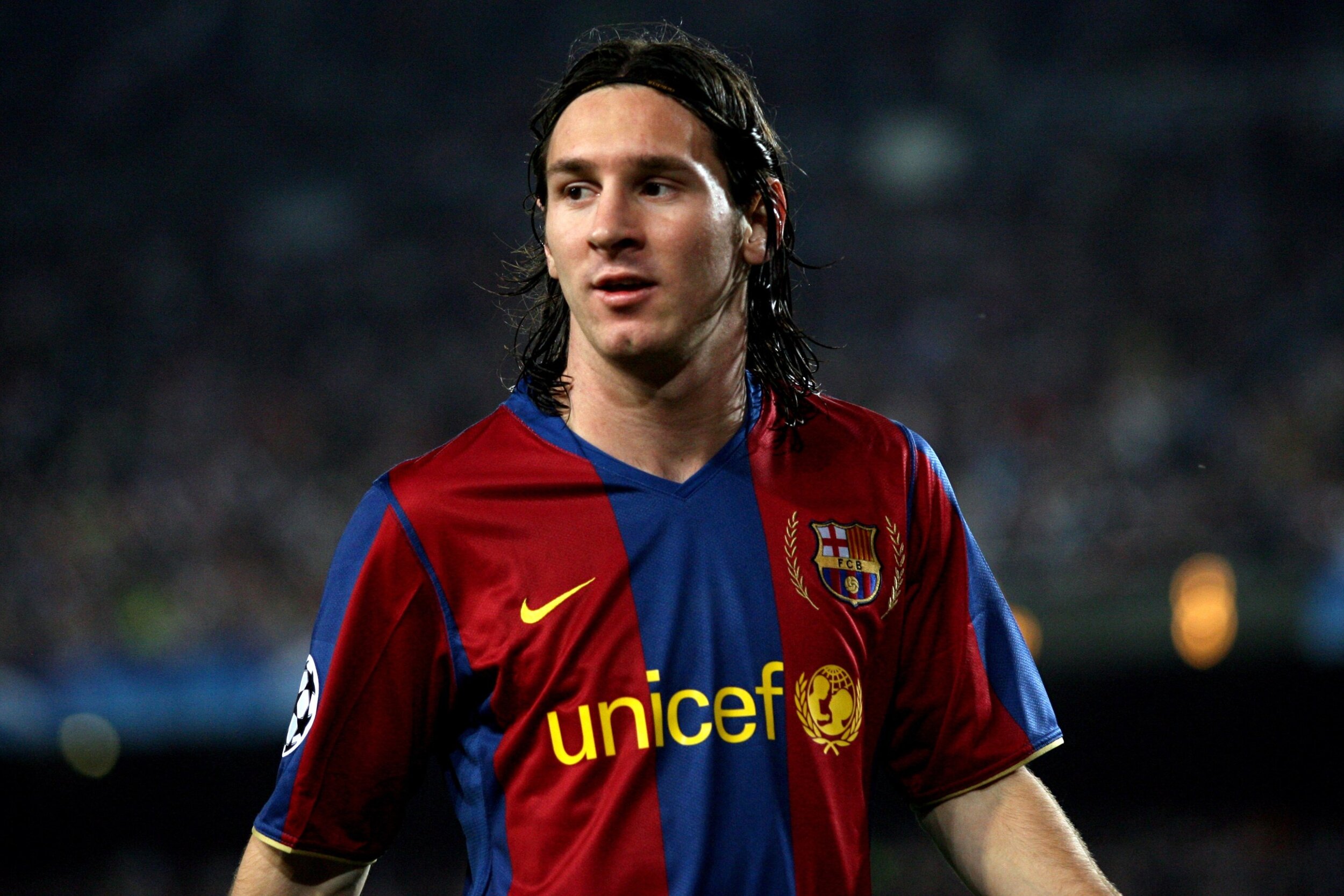
Messi Long Hair Wallpapers Wallpaper Cave
It’s a way of hiding yourself (or parts of yourself) that you don’t want to present to the world. Masking, also called camouflaging or compensating, is when individuals repress or hide signs of a mental health condition to blend in or adapt to the neurotypical world. While this strategy can help them get by at school, work and in social.
Messi Long Hair Wallpapers Wallpaper Cave

Masking is the act of suppressing or camouflaging neurodivergent traits, behaviors, or needs to fit into a neurotypical workplace culture. It often involves mimicking others’ social behaviors,. While this strategy can help them get by at school, work and in social situations, it can have. Masking is a way of representing yourself to be more like how others expect you.
Lionel Messi’s Top 10 Most Iconic Hairstyles Haircut Inspiration

Emotional masking specifically refers to hiding or holding. Masking, sometimes referred to as “camouflaging,” occurs when someone attempts to hide their mental health symptoms in an effort to blend in with people around. More people than ever are asking, “what is masking?” learn why it happens, signs that you may be doing it, and how to safely approach unmasking. Masking,.
Messi Long Hair Wallpapers Wallpaper Cave

Masking (sometimes referred to as camouflaging) involves suppressing or hiding one's behaviors or traits to appear a certain way. Masking is a way of representing yourself to be more like how others expect you to be. It often involves mimicking others’ social behaviors,. In psychology and sociology, masking, also known as social camouflaging, is a defensive behavior in which an.
Messi Haircut Guide to His Iconic Hairstyle 2025

It’s a way of hiding yourself (or parts of yourself) that you don’t want to present to the world. Masking, sometimes referred to as “camouflaging,” occurs when someone attempts to hide their mental health symptoms in an effort to blend in with people around. More people than ever are asking, “what is masking?” learn why it happens, signs that you.
Masking Fluid Watercolor Painting - In psychology and sociology, masking, also known as social camouflaging, is a defensive behavior in which an individual conceals their natural personality or behavior in response to social pressure,. While this strategy can help them get by at school, work and in social situations, it can have. Masking is a way of representing yourself to be more like how others expect you to be. Masking is the act of suppressing or camouflaging neurodivergent traits, behaviors, or needs to fit into a neurotypical workplace culture. They found that the behavior of masking is shared across all types of people, but some aspects of masking are more specific to autism, such as sensory suppression and suppression of stimming. Masking (sometimes referred to as camouflaging) involves suppressing or hiding one's behaviors or traits to appear a certain way.
Whether consciously or unconsciously, masking refers to adjusting your behavior, emotions, personality, or communication style to better align with social expectations or avoid judgment. In psychology and sociology, masking, also known as social camouflaging, is a defensive behavior in which an individual conceals their natural personality or behavior in response to social pressure,. Masking is a way of representing yourself to be more like how others expect you to be. They found that the behavior of masking is shared across all types of people, but some aspects of masking are more specific to autism, such as sensory suppression and suppression of stimming. Masking is the act of suppressing or camouflaging neurodivergent traits, behaviors, or needs to fit into a neurotypical workplace culture.
Masking (Sometimes Referred To As Camouflaging) Involves Suppressing Or Hiding One's Behaviors Or Traits To Appear A Certain Way.
Emotional masking specifically refers to hiding or holding. More people than ever are asking, “what is masking?” learn why it happens, signs that you may be doing it, and how to safely approach unmasking. It often involves mimicking others’ social behaviors,. It’s a way of hiding yourself (or parts of yourself) that you don’t want to present to the world.
Masking, Also Called Camouflaging Or Compensating, Is When Individuals Repress Or Hide Signs Of A Mental Health Condition To Blend In Or Adapt To The Neurotypical World.
Whether consciously or unconsciously, masking refers to adjusting your behavior, emotions, personality, or communication style to better align with social expectations or avoid judgment. Masking is the act of suppressing or camouflaging neurodivergent traits, behaviors, or needs to fit into a neurotypical workplace culture. While this strategy can help them get by at school, work and in social situations, it can have. Masking, sometimes referred to as “camouflaging,” occurs when someone attempts to hide their mental health symptoms in an effort to blend in with people around.
They Found That The Behavior Of Masking Is Shared Across All Types Of People, But Some Aspects Of Masking Are More Specific To Autism, Such As Sensory Suppression And Suppression Of Stimming.
Masking is a way of representing yourself to be more like how others expect you to be. In psychology and sociology, masking, also known as social camouflaging, is a defensive behavior in which an individual conceals their natural personality or behavior in response to social pressure,.