-1.png "Starter - Blogger Template")
Urine Color Hydration Chart
Urine Color Hydration Chart - Your blood carries it to the kidneys. Urine, liquid or semisolid solution of metabolic wastes and certain other, often toxic, substances that the excretory organs withdraw from the circulatory fluids and expel from the body. See where your pee falls in this color chart. Your kidneys make urine by filtering wastes and extra water from your blood. Your urine color can tell you different things about your health. When your urinary system removes toxins and wastes from your body, it comes out as pee (urine).
But the basic details of your urine — color, smell, and how often you go — can give you a hint about what’s going on inside your body. When your urinary system removes toxins and wastes from your body, it comes out as pee (urine). The color of your urine is an important diagnostic factor for kidney issues. It mostly consists of water, but it also contains waste products, salt and electrolytes. In mammals, urine travels from the.
Solved In which does cerebrospinal fluid circulateSubdural

The color of your urine is an important diagnostic factor for kidney issues. Your urine color can tell you different things about your health. From the kidneys, urine travels down two thin. Foods and medicines can change the color of urine. What does the color of your urine say about your health?
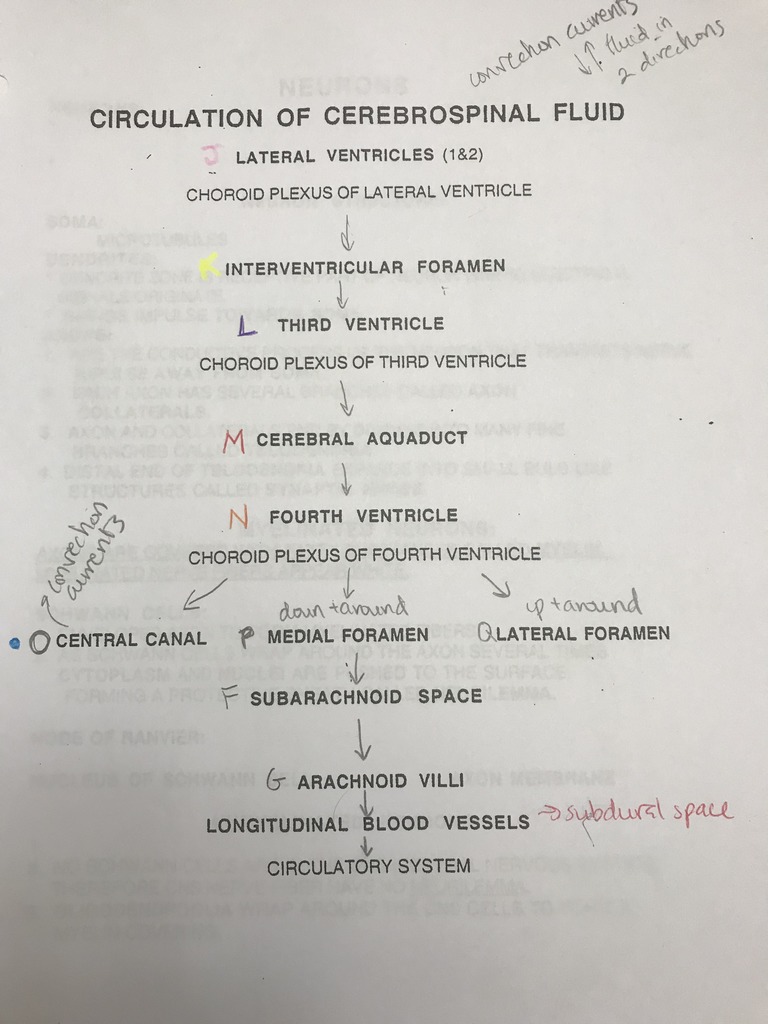
CIRCULATION OF CEREBROSPINAL FLUID Diagram Quizlet
In mammals, urine travels from the. In healthy individuals, the lower urinary tract has two discrete phases of activity: Your kidneys make urine by filtering wastes and extra water from your blood. Urine is liquid waste that your kidneys make to remove excess fluids and waste products from your body. Foods and medicines can change the color of urine.
Solved Cerebrospinal Fluid (CSF) is formed by thechoroid

What does the color of your urine say about your health? Urine, liquid or semisolid solution of metabolic wastes and certain other, often toxic, substances that the excretory organs withdraw from the circulatory fluids and expel from the body. See where your pee falls in this color chart. Your kidneys make urine by filtering wastes and extra water from your.
Solved What is the role of the cerebrospinal fluid provides

But the basic details of your urine — color, smell, and how often you go — can give you a hint about what’s going on inside your body. In healthy individuals, the lower urinary tract has two discrete phases of activity: But a color change also could be a sign of disease. From the kidneys, urine travels down two thin..
Solved 34. Mary stepped on a rock while walking in the yard,

See where your pee falls in this color chart. But a color change also could be a sign of disease. From the kidneys, urine travels down two thin. Your blood carries it to the kidneys. In healthy individuals, the lower urinary tract has two discrete phases of activity:
Urine Color Hydration Chart - In mammals, urine travels from the. Urine, liquid or semisolid solution of metabolic wastes and certain other, often toxic, substances that the excretory organs withdraw from the circulatory fluids and expel from the body. When your urinary system removes toxins and wastes from your body, it comes out as pee (urine). The waste is called urea. Urine is liquid waste that your kidneys make to remove excess fluids and waste products from your body. See where your pee falls in this color chart.
It mostly consists of water, but it also contains waste products, salt and electrolytes. When your urinary system removes toxins and wastes from your body, it comes out as pee (urine). In mammals, urine travels from the. To be able to pee, your body must pass this waste through a series of organs, ducts and tubes. From the kidneys, urine travels down two thin.
The Storage (Or Guarding) Phase, When Urine Is Stored In The Bladder, And The Voiding Phase, When Urine Is Released.
From the kidneys, urine travels down two thin. Pee is your body’s liquid waste, mainly made of water,. See where your pee falls in this color chart. The color of your urine is an important diagnostic factor for kidney issues.
In Mammals, Urine Travels From The.
What does the color of your urine say about your health? To be able to pee, your body must pass this waste through a series of organs, ducts and tubes. In healthy individuals, the lower urinary tract has two discrete phases of activity: But the basic details of your urine — color, smell, and how often you go — can give you a hint about what’s going on inside your body.
Your Urine Color Can Tell You Different Things About Your Health.
Your blood carries it to the kidneys. But a color change also could be a sign of disease. It mostly consists of water, but it also contains waste products, salt and electrolytes. When your urinary system removes toxins and wastes from your body, it comes out as pee (urine).
Your Kidneys Make Urine By Filtering Wastes And Extra Water From Your Blood.
Urine, liquid or semisolid solution of metabolic wastes and certain other, often toxic, substances that the excretory organs withdraw from the circulatory fluids and expel from the body. Urine is liquid waste that your kidneys make to remove excess fluids and waste products from your body. The waste is called urea. Foods and medicines can change the color of urine.