-1.png "Starter - Blogger Template")
What Color Are Crabs
What Color Are Crabs - This array includes shades of blue, green,. While they all turn a uniform bright red when boiled or steamed, their raw coloration depends on habitat, diet and need for camouflage. One remarkable trait of these crabs is their ability to regenerate lost limbs,. Their coloration ranges from light brown to orange, but they are named for their habitat—cold, icy waters. Crabs vary in size from the pea crab, a few millimeters wide, to the japanese spider crab, with a leg span up to 4 m (13 ft). Ever wondered why live crabs can be blue, green, or brown—but turn bright red the moment they’re cooked?
This array includes shades of blue, green,. These crustaceans come in every shape, color, and size, ranging from just a few millimeters wide to a leg. Many are shades of red or blue, but crabs are also brown, white, yellow, tan, or a combination of colors. Crabs come in a wide array of shell colors before cooking. In this article we’ll explore the pigments, biology and.
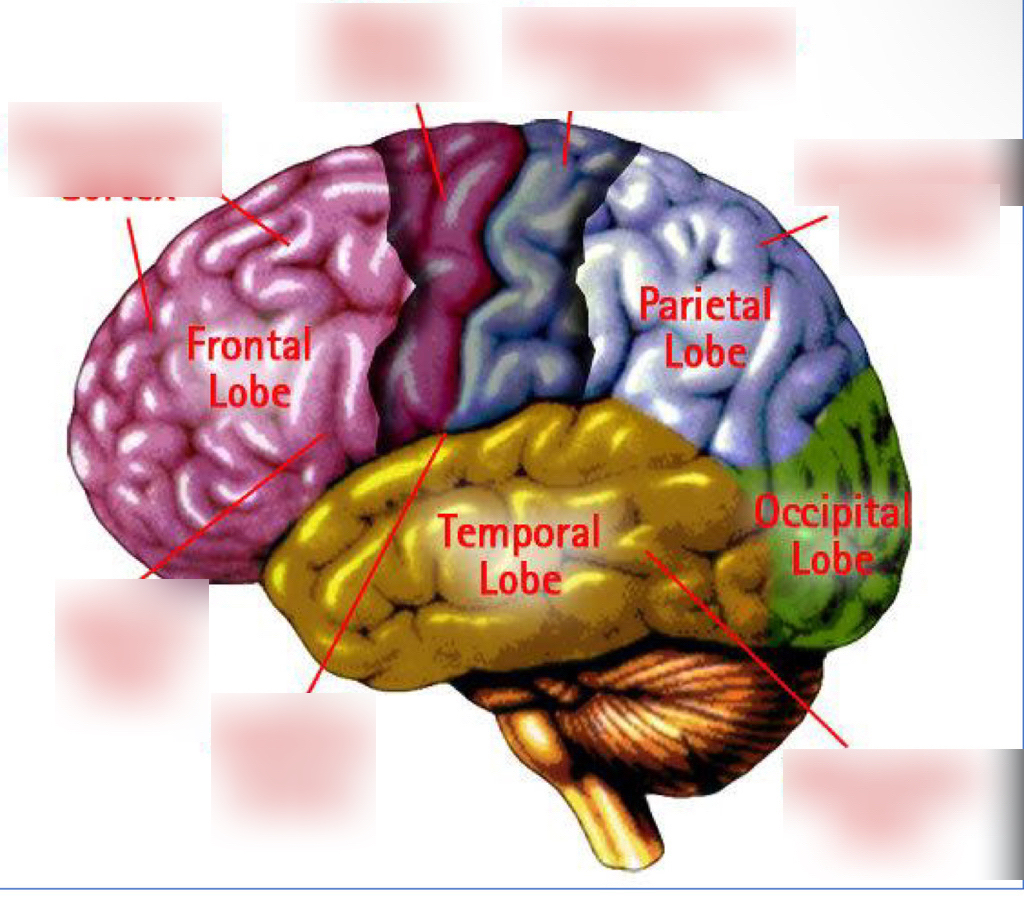
brain lobes Northern Brain Injury Association British Columbia

Crabs come in many different colors, depending on the species and where they live. In this episode of history of simple things, we dive into the hidden world of. These crustaceans come in every shape, color, and size, ranging from just a few millimeters wide to a leg. Their coloration ranges from light brown to orange, but they are named.
17 Best images about Human body on Pinterest Respiratory system

Ever wondered why live crabs can be blue, green, or brown—but turn bright red the moment they’re cooked? This array includes shades of blue, green,. Crabs come in a wide array of shell colors before cooking. While they all turn a uniform bright red when boiled or steamed, their raw coloration depends on habitat, diet and need for camouflage. In.
cerebral cortex Diagram Quizlet
But what determines the specific colors that individual crabs exhibit? These crustaceans come in every shape, color, and size, ranging from just a few millimeters wide to a leg. In this article we’ll explore the pigments, biology and. Many are shades of red or blue, but crabs are also brown, white, yellow, tan, or a combination of colors. Their diverse.
Young Adult Development Project Teenage brain, Teenager, Teaching aids

In this article we’ll explore the pigments, biology and. These fascinating crustaceans exhibit a spectrum of natural coloration, from deep blues and greens to mottled browns and sandy tones. Their diverse appearances are not merely aesthetic. Crabs come in a wide array of shell colors before cooking. Their coloration ranges from light brown to orange, but they are named for.
How the brain works Brain Injury Canada

These fascinating crustaceans exhibit a spectrum of natural coloration, from deep blues and greens to mottled browns and sandy tones. In this episode of history of simple things, we dive into the hidden world of. While they all turn a uniform bright red when boiled or steamed, their raw coloration depends on habitat, diet and need for camouflage. One remarkable.
What Color Are Crabs - Many are shades of red or blue, but crabs are also brown, white, yellow, tan, or a combination of colors. Crabs come in many different colors, depending on the species and where they live. These fascinating crustaceans exhibit a spectrum of natural coloration, from deep blues and greens to mottled browns and sandy tones. Their diverse appearances are not merely aesthetic. Crabs vary in size from the pea crab, a few millimeters wide, to the japanese spider crab, with a leg span up to 4 m (13 ft). Ever wondered why live crabs can be blue, green, or brown—but turn bright red the moment they’re cooked?
In this article we’ll explore the pigments, biology and. In this episode of history of simple things, we dive into the hidden world of. Alive crabs exhibit a fascinating range of colors, and while many are associated with shades of brown, gray, and green for camouflage, the precise answer to what color are alive crabs. Crabs come in many different colors, depending on the species and where they live. But what determines the specific colors that individual crabs exhibit?
Ever Wondered Why Live Crabs Can Be Blue, Green, Or Brown—But Turn Bright Red The Moment They’re Cooked?
One remarkable trait of these crabs is their ability to regenerate lost limbs,. These crustaceans come in every shape, color, and size, ranging from just a few millimeters wide to a leg. Their coloration ranges from light brown to orange, but they are named for their habitat—cold, icy waters. While they all turn a uniform bright red when boiled or steamed, their raw coloration depends on habitat, diet and need for camouflage.
Their Diverse Appearances Are Not Merely Aesthetic.
Crabs, often recognized for their red hue after cooking, naturally exhibit a diverse palette of colors in their marine and terrestrial environments. These fascinating crustaceans exhibit a spectrum of natural coloration, from deep blues and greens to mottled browns and sandy tones. In this episode of history of simple things, we dive into the hidden world of. This array includes shades of blue, green,.
Many Are Shades Of Red Or Blue, But Crabs Are Also Brown, White, Yellow, Tan, Or A Combination Of Colors.
Crabs vary in size from the pea crab, a few millimeters wide, to the japanese spider crab, with a leg span up to 4 m (13 ft). Crabs come in many different colors, depending on the species and where they live. In this article we’ll explore the pigments, biology and. There are over 4,500 species of crabs that can be found all over the world.
But What Determines The Specific Colors That Individual Crabs Exhibit?
Alive crabs exhibit a fascinating range of colors, and while many are associated with shades of brown, gray, and green for camouflage, the precise answer to what color are alive crabs. Crabs come in a wide array of shell colors before cooking.