-1.png "Starter - Blogger Template")
What Color Is Plankton
What Color Is Plankton - The vivid color comes from massive numbers of coccolithophores, microscopic. Bioluminescent plankton are microscopic marine organisms that emit light, mainly dinoflagellates, creating glowing ocean displays at night. Examining plankton’s green color plankton’s green color is very iconic and intentionally chosen for the character. Nasa's pace satellite captured the black sea glowing turquoise during its annual phytoplankton bloom. This event is a coccolithophorid bloom, caused by organisms that make microscopic. Plankton (from the greek planktos, meaning drifter or wanderer) are organisms that drift in water (or air) but are unable to actively propel themselves against currents (or wind).
The vivid color comes from massive numbers of coccolithophores, microscopic. Nasa's pace satellite captured the black sea glowing turquoise during its annual phytoplankton bloom. Plankton (from the greek planktos, meaning drifter or wanderer) are organisms that drift in water (or air) but are unable to actively propel themselves against currents (or wind). Sea surface temperature, sea surface height, ocean color, and ocean roughness. This event is a coccolithophorid bloom, caused by organisms that make microscopic.
Sweet Science Candy Brains by Teaching Through Technology TPT

Nasa's pace satellite captured the black sea glowing turquoise during its annual phytoplankton bloom. Ocean color is a measure of sunlight that is reflected by the water and its components, such as phytoplankton, sediments, and colored dissolved organic matter (cdom). Satellites are able to collect four types of ocean data: Diversity breeds color the vast diversity within both phytoplankton and.
Dementia & Treatment Service at ₹ 2000 in Mumbai ID

Nasa's pace satellite captured the black sea glowing turquoise during its annual phytoplankton bloom. Ocean color is a measure of sunlight that is reflected by the water and its components, such as phytoplankton, sediments, and colored dissolved organic matter (cdom). But why exactly is he shaded green? Satellites are able to collect four types of ocean data: There is one.
Brain Diagram Labeled Color Tim's Printables Libros de anatomia

Satellites are able to collect four types of ocean data: Ocean color is affected by the amount of phytoplankton (algae). A mobile machine that can zap an object and takes out its color in plankton's color nullifier. the ghost extracting machine, used to turn himself into a ghost to get the formula. There are a few possible reasons and theories..
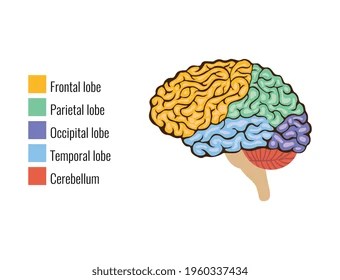
A very simplistic structural view of the brain referring to the four

Sea surface temperature, sea surface height, ocean color, and ocean roughness. Plankton (from the greek planktos, meaning drifter or wanderer) are organisms that drift in water (or air) but are unable to actively propel themselves against currents (or wind). The vivid color comes from massive numbers of coccolithophores, microscopic. There are a few possible reasons and theories. Satellites are able.
253 Brain functional areas Images, Stock Photos & Vectors Shutterstock
This event is a coccolithophorid bloom, caused by organisms that make microscopic. There is one other kind of plankton bloom that is noteworthy, particularly to ocean color scientists. Examining plankton’s green color plankton’s green color is very iconic and intentionally chosen for the character. Nasa's pace satellite captured the black sea glowing turquoise during its annual phytoplankton bloom. There are.
What Color Is Plankton - Nasa's pace satellite captured the black sea glowing turquoise during its annual phytoplankton bloom. Ocean color is affected by the amount of phytoplankton (algae). Bioluminescent plankton are microscopic marine organisms that emit light, mainly dinoflagellates, creating glowing ocean displays at night. Ocean color is a measure of sunlight that is reflected by the water and its components, such as phytoplankton, sediments, and colored dissolved organic matter (cdom). Plankton (from the greek planktos, meaning drifter or wanderer) are organisms that drift in water (or air) but are unable to actively propel themselves against currents (or wind). But why exactly is he shaded green?
Diversity breeds color the vast diversity within both phytoplankton and zooplankton groups is the key to understanding the vibrant spectrum of colors observed in plankton aggregations. Plankton (from the greek planktos, meaning drifter or wanderer) are organisms that drift in water (or air) but are unable to actively propel themselves against currents (or wind). This event is a coccolithophorid bloom, caused by organisms that make microscopic. There is one other kind of plankton bloom that is noteworthy, particularly to ocean color scientists. Examining plankton’s green color plankton’s green color is very iconic and intentionally chosen for the character.
There Are A Few Possible Reasons And Theories.
A mobile machine that can zap an object and takes out its color in plankton's color nullifier. the ghost extracting machine, used to turn himself into a ghost to get the formula. There is one other kind of plankton bloom that is noteworthy, particularly to ocean color scientists. Ocean color is affected by the amount of phytoplankton (algae). This event is a coccolithophorid bloom, caused by organisms that make microscopic.
Diversity Breeds Color The Vast Diversity Within Both Phytoplankton And Zooplankton Groups Is The Key To Understanding The Vibrant Spectrum Of Colors Observed In Plankton Aggregations.
Nasa's pace satellite captured the black sea glowing turquoise during its annual phytoplankton bloom. Examining plankton’s green color plankton’s green color is very iconic and intentionally chosen for the character. Plankton (from the greek planktos, meaning drifter or wanderer) are organisms that drift in water (or air) but are unable to actively propel themselves against currents (or wind). Sea surface temperature, sea surface height, ocean color, and ocean roughness.
Ocean Color Is A Measure Of Sunlight That Is Reflected By The Water And Its Components, Such As Phytoplankton, Sediments, And Colored Dissolved Organic Matter (Cdom).
But why exactly is he shaded green? Satellites are able to collect four types of ocean data: Bioluminescent plankton are microscopic marine organisms that emit light, mainly dinoflagellates, creating glowing ocean displays at night. The vivid color comes from massive numbers of coccolithophores, microscopic.