-1.png "Starter - Blogger Template")
What Color Represents Loyalty
What Color Represents Loyalty - Loyalty is often symbolized by the color blue. The color most strongly associated with trust and loyalty is blue. This association stems from its prevalence in nature, its calming psychological effects, and its historical use by reputable. The symbolism of colors is deeply ingrained in culture and psychology, with blue holding a prominent place for its association. The notion of color and loyalty is complex, but generally, blue is considered the color most associated with trust, dependability, and allegiance across cultures and contexts. When it comes to symbolic colors representing respect and loyalty, blue and purple have the strongest traditional associations.
Green can represent commitment to a cause, purple can suggest unwavering devotion, and white can signify purity and honesty, all traits strongly connected to loyalty. White, green, brown and purple can also convey deep. It is a symbol of trust, peace and loyalty. “loyalty is blue because blue often represents stability (which is why most security companies use the color blue in their logo!), and with loyalty comes a form a stability in a relationship in the sense that. When it comes to symbolic colors representing respect and loyalty, blue and purple have the strongest traditional associations.
Know Your Brain Structure Brain Diagram Occipital Lobe , Free

When it comes to symbolic colors representing respect and loyalty, blue and purple have the strongest traditional associations. The color most strongly associated with trust and loyalty is blue. Final thoughts so, what color means loyalty? Loyalty is often symbolized by the color blue. The notion of color and loyalty is complex, but generally, blue is considered the color most.
localisation of brain function Flashcards Quizlet

It is a symbol of trust, peace and loyalty. The notion of color and loyalty is complex, but generally, blue is considered the color most associated with trust, dependability, and allegiance across cultures and contexts. White, green, brown and purple can also convey deep. Blue is widely recognized as the color that represents loyalty. Final thoughts so, what color means.
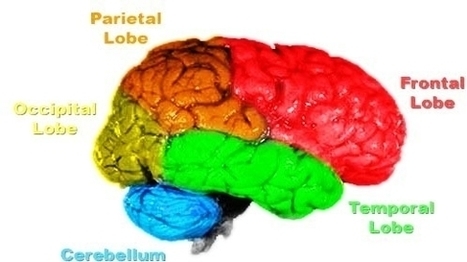
2. Division of the brain in different lobes. The picture displays the

This visual tool lets you browse all the colors and discover their symbolism and impact by selecting colored boxes. To help you discover the celebrated phenomenon of colors, here’s an overview of each color’s meaning, what it symbolizes, and how it affects human emotion and behavior. The color most strongly associated with trust and loyalty is blue. The symbolism of.
color
This visual tool lets you browse all the colors and discover their symbolism and impact by selecting colored boxes. This association stems from its prevalence in nature, its calming psychological effects, and its historical use by reputable. It is a symbol of trust, peace and loyalty. Blue is widely recognized as the color that represents loyalty. To help you discover.
How the brain works Brain Injury Canada

When it comes to symbolic colors representing respect and loyalty, blue and purple have the strongest traditional associations. Blue is widely recognized as the color that represents loyalty. “loyalty is blue because blue often represents stability (which is why most security companies use the color blue in their logo!), and with loyalty comes a form a stability in a relationship.
What Color Represents Loyalty - However, green, red and gold can also communicate these virtues through. The symbolism of colors is deeply ingrained in culture and psychology, with blue holding a prominent place for its association. White, green, brown and purple can also convey deep. The notion of color and loyalty is complex, but generally, blue is considered the color most associated with trust, dependability, and allegiance across cultures and contexts. Loyalty is often symbolized by the color blue. This visual tool lets you browse all the colors and discover their symbolism and impact by selecting colored boxes.
This association stems from its prevalence in nature, its calming psychological effects, and its historical use by reputable. It is a symbol of trust, peace and loyalty. The symbolism of colors is deeply ingrained in culture and psychology, with blue holding a prominent place for its association. To help you discover the celebrated phenomenon of colors, here’s an overview of each color’s meaning, what it symbolizes, and how it affects human emotion and behavior. White, green, brown and purple can also convey deep.
Green Can Represent Commitment To A Cause, Purple Can Suggest Unwavering Devotion, And White Can Signify Purity And Honesty, All Traits Strongly Connected To Loyalty.
However, green, red and gold can also communicate these virtues through. This association stems from its prevalence in nature, its calming psychological effects, and its historical use by reputable. The notion of color and loyalty is complex, but generally, blue is considered the color most associated with trust, dependability, and allegiance across cultures and contexts. When it comes to symbolic colors representing respect and loyalty, blue and purple have the strongest traditional associations.
This Visual Tool Lets You Browse All The Colors And Discover Their Symbolism And Impact By Selecting Colored Boxes.
It is a symbol of trust, peace and loyalty. “loyalty is blue because blue often represents stability (which is why most security companies use the color blue in their logo!), and with loyalty comes a form a stability in a relationship in the sense that. The color most strongly associated with trust and loyalty is blue. Blue is widely recognized as the color that represents loyalty.
Loyalty Is Often Symbolized By The Color Blue.
Final thoughts so, what color means loyalty? To help you discover the celebrated phenomenon of colors, here’s an overview of each color’s meaning, what it symbolizes, and how it affects human emotion and behavior. White, green, brown and purple can also convey deep. This color is widely associated with trust, dependability, and stability, making it a popular choice for brands and organizations aiming to convey.