-1.png "Starter - Blogger Template")
What Is The Color For Autism
What Is The Color For Autism - Blue, yellow, red, and gold are the most common colors recognized for autism. Discover autism symbols & colors and what they represent for understanding, acceptance, and unity in the community. Learn the meaning of autism colors and symbols, and how they promote awareness, acceptance, and support for people on the autism spectrum. Autism colors are carefully chosen to represent the unique characteristics and experiences of individuals on the autism spectrum. Colors symbolizing autism often include shades of blue and variations of puzzle pieces, representing the complexity and diversity of the autism spectrum. The most widely recognized autism color is blue, which is often associated.
Autism colors are carefully chosen to represent the unique characteristics and experiences of individuals on the autism spectrum. Learn the meaning of autism colors and symbols, and how they promote awareness, acceptance, and support for people on the autism spectrum. Understand the colors and symbols of autism, including their meanings, top symbols, the official autism color, and the infinity symbol significance. Often displayed with rainbow or solid colors, it represents the infinite potential and infinite value of individuals on the autism spectrum. While there is no official color for autism, blue has become the most commonly associated color with the disorder.
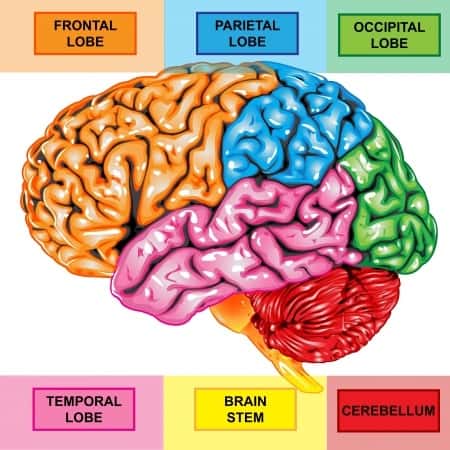
Overview of Brain Structures Mmmmm Brains! More Than Just Zombie Food

Although they have different meanings, they are all connected to the rainbow spectrum. While blue is the predominant color associated with autism, there is a growing recognition of the diversity within the autism community. Learn the meaning of autism colors and symbols, and how they promote awareness, acceptance, and support for people on the autism spectrum. Colors symbolizing autism often.
The Anatomy of the Brain UPEI Introduction to Psychology 1

Although they have different meanings, they are all connected to the rainbow spectrum. Autism colors are carefully chosen to represent the unique characteristics and experiences of individuals on the autism spectrum. Learn the meaning of autism colors and symbols, and how they promote awareness, acceptance, and support for people on the autism spectrum. Understand the colors and symbols of autism,.
7 Ways to Brain Gain The Renegade Pharmacist
Often displayed with rainbow or solid colors, it represents the infinite potential and infinite value of individuals on the autism spectrum. While blue is the predominant color associated with autism, there is a growing recognition of the diversity within the autism community. Although they have different meanings, they are all connected to the rainbow spectrum. This may be due in.
Human Brain Photograph by Scott Camazine & Sue Trainor Pixels

Understand the colors and symbols of autism, including their meanings, top symbols, the official autism color, and the infinity symbol significance. Colors symbolizing autism often include shades of blue and variations of puzzle pieces, representing the complexity and diversity of the autism spectrum. Autism colors are carefully chosen to represent the unique characteristics and experiences of individuals on the autism.
localisation of brain function Flashcards Quizlet

Explore the significance of blue, gold, and rainbow colors in autism awareness and acceptance movements, and learn how to choose supportive colors. The most widely recognized autism color is blue, which is often associated. Understand the colors and symbols of autism, including their meanings, top symbols, the official autism color, and the infinity symbol significance. Blue, yellow, red, and gold.
What Is The Color For Autism - Autism colors are carefully chosen to represent the unique characteristics and experiences of individuals on the autism spectrum. This may be due in part to autism speaks, one of the largest. As a result, other colors have emerged to. Although they have different meanings, they are all connected to the rainbow spectrum. Often displayed with rainbow or solid colors, it represents the infinite potential and infinite value of individuals on the autism spectrum. Discover autism symbols & colors and what they represent for understanding, acceptance, and unity in the community.
Understand the colors and symbols of autism, including their meanings, top symbols, the official autism color, and the infinity symbol significance. Colors symbolizing autism often include shades of blue and variations of puzzle pieces, representing the complexity and diversity of the autism spectrum. As a result, other colors have emerged to. Autism colors are carefully chosen to represent the unique characteristics and experiences of individuals on the autism spectrum. The most widely recognized autism color is blue, which is often associated.
Blue, Yellow, Red, And Gold Are The Most Common Colors Recognized For Autism.
Colors symbolizing autism often include shades of blue and variations of puzzle pieces, representing the complexity and diversity of the autism spectrum. While blue is the predominant color associated with autism, there is a growing recognition of the diversity within the autism community. Although they have different meanings, they are all connected to the rainbow spectrum. Autism colors are carefully chosen to represent the unique characteristics and experiences of individuals on the autism spectrum.
The Most Widely Recognized Autism Color Is Blue, Which Is Often Associated.
As a result, other colors have emerged to. Learn the meaning of autism colors and symbols, and how they promote awareness, acceptance, and support for people on the autism spectrum. Explore the significance of blue, gold, and rainbow colors in autism awareness and acceptance movements, and learn how to choose supportive colors. Discover autism symbols & colors and what they represent for understanding, acceptance, and unity in the community.
Understand The Colors And Symbols Of Autism, Including Their Meanings, Top Symbols, The Official Autism Color, And The Infinity Symbol Significance.
While there is no official color for autism, blue has become the most commonly associated color with the disorder. This may be due in part to autism speaks, one of the largest. Often displayed with rainbow or solid colors, it represents the infinite potential and infinite value of individuals on the autism spectrum.